


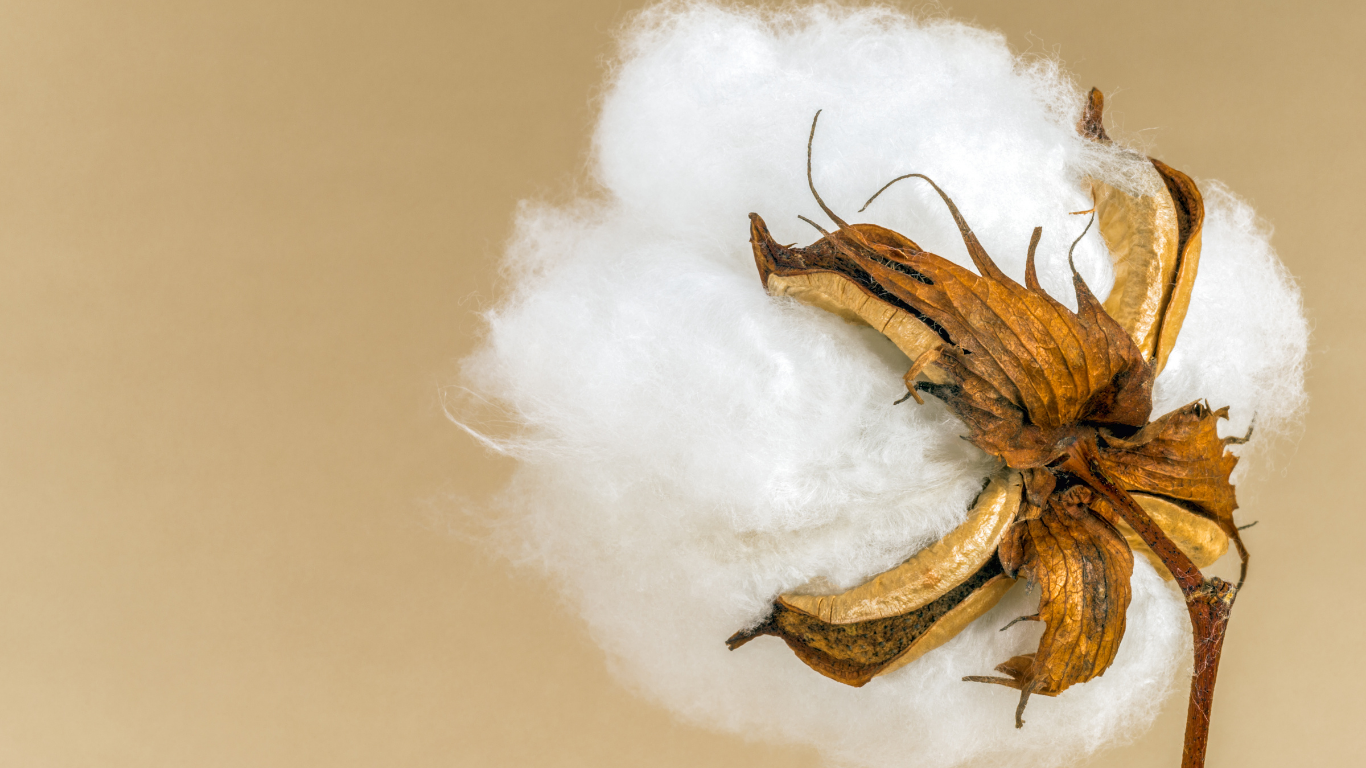

If you've spent any time shopping for towels, robes, or home linens, you've probably seen "Turkish cotton" listed as a selling point. It's marketed as premium, high-quality, worth paying more for. But what actually makes Turkish cotton different from regular cotton, and does it live up to the reputation?
The short answer: yes, when it's done right.
The longer answer requires understanding where Turkish cotton comes from, how it's grown and processed, what makes the fibers unique, and why the traditional weaving techniques matter as much as the cotton itself.
This isn't about marketing hype. Turkish cotton has been valued for centuries because it performs differently than most other cotton. But not all "Turkish cotton" products are created equal, and knowing what to look for makes the difference between buying something genuinely better and just paying more for a label.
Turkish cotton is grown in Turkey — specifically in the Aegean region of southwestern Turkey, where the climate and soil create ideal conditions for cotton cultivation.
The region has hot, dry summers and mild winters. The soil is rich and well-draining. And crucially, there's access to water from rivers and underground sources that allow for controlled irrigation. These conditions produce cotton with longer, stronger fibers than most other growing regions.
Cotton has been cultivated in this part of Turkey for hundreds of years. The weaving tradition that developed around it — particularly in textile-producing regions — evolved alongside the cotton itself. The people making Turkish towels and linens weren't just working with good cotton; they were developing techniques specifically suited to the characteristics of that cotton.
This regional specificity matters. Just like wine from Bordeaux or olive oil from Tuscany, the place where something is grown shapes what it becomes. Turkish cotton isn't just cotton that happens to be from Turkey. It's cotton that developed in a particular environment and became the foundation for a particular craft tradition.
The defining characteristic of Turkish cotton is fiber length.
Cotton fibers — called staples — vary in length depending on the variety of cotton plant and the growing conditions. Most cotton has relatively short fibers, somewhere in the range of 1 to 1.3 inches. Turkish cotton, along with Egyptian cotton and a few other premium varieties, has longer staples — typically 1.4 inches or longer.
This might not sound like a significant difference, but it changes everything about how the cotton behaves when it's spun into yarn and woven into fabric.
Longer fibers mean:
Smoother yarn. When cotton fibers are short, the yarn has a lot of loose ends poking out. These create a slightly fuzzy surface and contribute to pilling — those little balls of fiber that form on fabric after washing. Longer fibers produce cleaner, smoother yarn with fewer loose ends.
Stronger fabric. Longer fibers can be twisted together more tightly, which creates stronger yarn and more durable fabric. A towel or piece of linen made from long-staple cotton can withstand more washing, more use, and more wear without breaking down.
Better absorbency. Cotton's natural absorbency comes from the structure of the fibers themselves. Longer fibers have more surface area, which means they can absorb and hold more moisture. This is why Turkish cotton towels are known for being highly absorbent despite often being thinner than standard terry towels.
Improved softness over time. This is the characteristic people notice most. Turkish cotton doesn't feel as soft as some other cottons when it's brand new. But after a few washes, the fibers relax and open up, and the fabric becomes noticeably softer. And it keeps getting softer with use. Most cotton does the opposite — it starts soft and gets rougher as the fibers break down. Turkish cotton improves.
The cotton itself is only part of the equation. What happens after it's harvested — how it's processed, spun, and woven — determines whether you end up with a genuinely high-quality product or something that's just trading on the "Turkish cotton" name.
Ginning and spinning: After the cotton is harvested, it goes through a ginning process to remove seeds and impurities. Then it's spun into yarn. The way this yarn is spun — how tightly it's twisted, how evenly it's processed — affects the final quality of the fabric.
High-quality Turkish cotton yarn is spun with care to preserve the length and integrity of the fibers. Cheaper processing can break fibers, introduce inconsistencies, or add unnecessary treatments that reduce the cotton's natural performance.
Weaving technique: This is where Turkish textiles really differentiate themselves.
Traditional Turkish towels — often called pestemals or hammam towels — use a flat-weave technique rather than the looped terry construction most people are familiar with. The cotton is woven tightly in a smooth, even pattern, creating a fabric that's thin but strong, absorbent but lightweight.
This weaving style developed in Turkey because it made sense for the climate and the culture. In hot, humid environments, thick towels stay damp and develop mildew. Flat-woven towels dry quickly and stay fresh. In the traditional hammam (bathhouse), where towels were used repeatedly throughout the day, quick-drying was essential.
The flat weave also makes the towels more versatile. They can be used as towels, wraps, blankets, or throws. They fold compactly. They don't trap sand. And they get softer with every wash instead of breaking down.
Not all Turkish cotton products use this traditional flat weave — some modern Turkish cotton towels use standard terry construction — but the flat weave is what the cotton was historically paired with, and it's what shows off the fiber's characteristics best.
These are the two premium cottons that get compared most often, and they're actually quite similar in terms of fiber length and quality. Both are long-staple cottons. Both produce soft, durable, absorbent fabrics. Both get better with age when they're made well.
The main differences are regional and cultural, not inherent to the cotton itself.
Egyptian cotton is often used in bedding — sheets, pillowcases, duvet covers. It's known for a smooth, silky feel and is typically woven into percale or sateen fabrics with high thread counts.
Turkish cotton has historically been used more for towels, robes, and bath linens. The traditional flat weave and the focus on absorbency and quick-drying made it ideal for these applications.
Both are excellent. The choice between them is less about which cotton is "better" and more about what you're using it for and what qualities you prioritize.
For towels, Turkish cotton has the edge because of the weaving tradition that developed around it. For bedding, Egyptian cotton is more commonly used, though Turkish cotton sheets exist and are also excellent.
Regular cotton — the kind used in most affordable towels, t-shirts, and home textiles — typically has shorter fibers and is processed more quickly and less carefully.
This doesn't make it bad. It makes it different.
Regular cotton is:
Turkish cotton is:
If you're buying something you plan to use for a year or two and then replace, regular cotton is fine. If you're buying something you want to last five, ten, even fifteen years, Turkish cotton is worth the investment.
Not every product labeled "Turkish cotton" is actually made from high-quality Turkish cotton, and not all Turkish cotton products are well-made.
Here's what to check:
100% Turkish cotton, not a blend. If it's blended with polyester or other synthetics, you're losing most of the benefits. Natural cotton performs better, ages better, and feels better.
Long-staple or extra-long-staple designation. This confirms you're getting the good stuff — cotton with the longer fibers that make Turkish cotton worth seeking out.
Weight and weave. For towels, look for something substantial but not overly heavy. A well-made Turkish towel should feel solid in your hands but not bulky. The weave should be tight and even.
Where it's made. Ideally, the cotton is not only grown in Turkey but also woven there. This ensures you're getting the traditional techniques and quality control that come with the region's weaving heritage. Some products use Turkish cotton but manufacture elsewhere, which isn't necessarily bad, but it's worth knowing.
How it's finished. Check the edges — they should be cleanly finished, often with a decorative border or fringe. Loose threads or uneven stitching suggest lower-quality manufacturing.
Price. If it seems too cheap to be true, it probably is. Genuine Turkish cotton products cost more because the cotton itself is more expensive and the traditional manufacturing process is more labor-intensive. You don't need to pay luxury prices, but rock-bottom prices usually mean corners have been cut somewhere.
The most distinctive thing about Turkish cotton is what happens over time.
Most textiles start at their peak and gradually decline. A new towel feels great, but after six months or a year of washing and drying, it's noticeably rougher, thinner, less absorbent. By year two, you're thinking about replacing it.
Turkish cotton does the opposite. It starts good and gets better.
The first few times you wash a Turkish cotton towel, it softens. The fibers relax. The fabric becomes more supple. By the fifth or sixth wash, it's reached a level of softness that a regular cotton towel will never achieve, even when brand new.
And it stays there. A well-made Turkish cotton towel in year three of its life is often at its best — soft, absorbent, perfectly broken in. Year five, same story. Year ten, if you've taken care of it, it's still going strong.
This longevity isn't just about durability. It's about the textile improving with age instead of just surviving it. That's rare, and it's what makes Turkish cotton worth the investment.
"Turkish cotton is always better." Not always. Quality varies. A poorly made Turkish cotton towel isn't better than a well-made regular cotton one. The cotton is a starting point, but manufacturing, weaving, and finishing all matter just as much.
"It should feel super soft right away." Actually, no. Turkish cotton often feels a bit crisp when new. That's normal. Give it a few washes and it'll soften beautifully. If it feels overly soft right out of the package, it might have been treated with chemicals to achieve that, which can reduce absorbency.
"Thicker is better." Not with Turkish cotton. The traditional flat weave is intentionally thin because it dries faster and works better in warm, humid climates. Thickness isn't a measure of quality here.
"All Turkish cotton products are expensive." Quality Turkish cotton does cost more, but it's not luxury-tier pricing. You're paying for better materials and traditional craftsmanship, not a designer label.
The question isn't really "Is Turkish cotton better?" It's "Does it make a difference in how you live with it?"
And the answer is yes.
A Turkish cotton towel dries you off just as well as any other towel, but it also dries itself faster, stays fresh longer, takes up less space, and gets softer every time you wash it. Over the course of years, those small differences add up.
It's not about luxury for its own sake. It's about choosing materials that perform better, last longer, and make the small routines of daily life just a little bit easier and more pleasant.
That's what Turkish cotton offers. Not perfection, but a noticeable improvement over the alternative. And when you're using something every single day for years, noticeable improvements matter.
Shop Turkish Cotton Towels — Long-staple cotton, traditionally woven, made to last.
